Photo: John Kakuk via Unsplash · Unsplash License
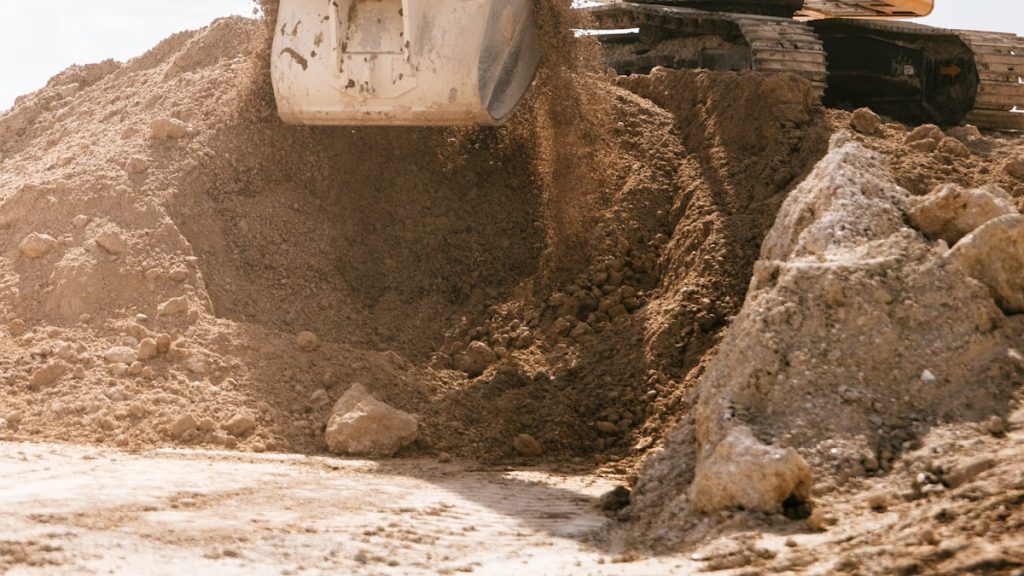
Physical AI — intelligence that lives inside the machine, not just in the cloud — is arriving on heavy equipment. At CES 2026, Caterpillar unveiled the Cat AI Assistant, built with Nvidia on its Jetson Thor platform, now piloting on a Cat 306 CR mini excavator.
An assistant inside the cab
The Cat AI Assistant answers operator questions, provides access to manuals and technical resources, offers real-time safety guidance, and schedules preventive maintenance. As Brandon Hootman, Caterpillar’s VP of Data & AI, put it, the ability to get insights and act on them while the work is happening is critical to productivity on site. It is the same logic behind any fleet management platform: turning raw data into operational decisions instantly, without pulling the operator away from the task at hand.
2,000 messages per second
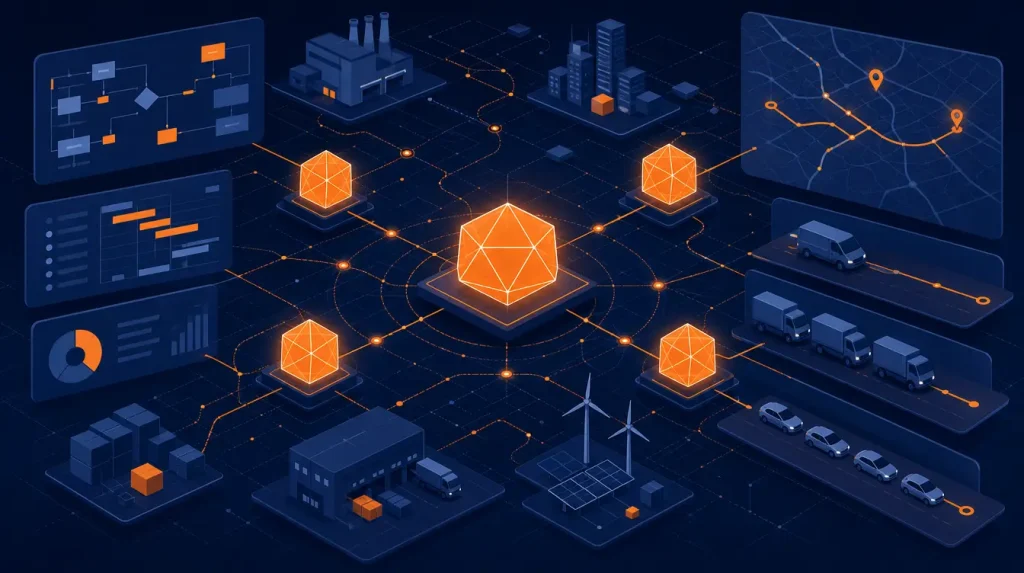
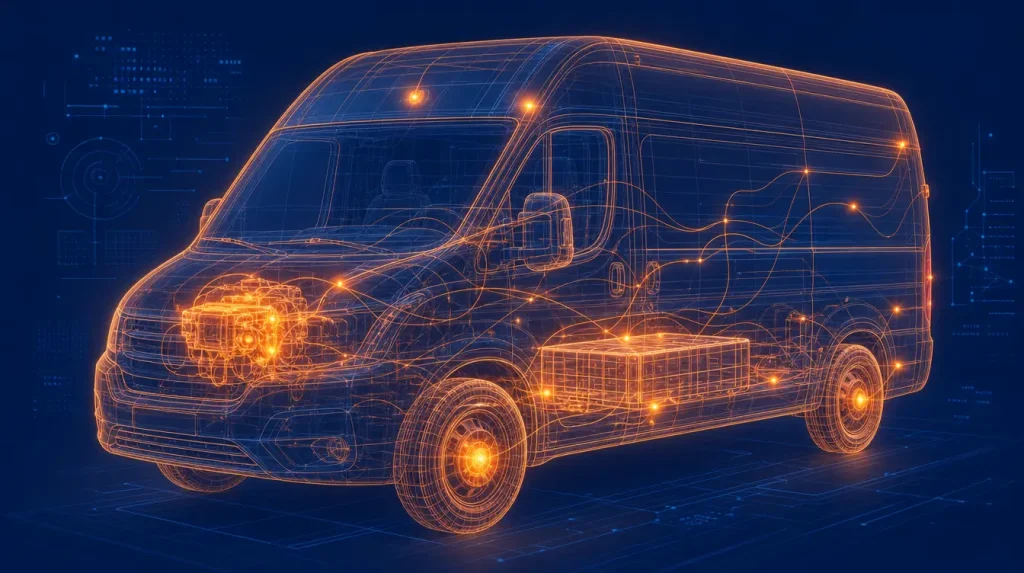
Behind the assistant sits a considerable data pipeline: each machine transmits roughly 2,000 messages per second back to Caterpillar’s servers. That telemetry does more than power the assistant — it also builds digital twins of job sites through Nvidia Omniverse, letting teams simulate work scenarios before a single ton of earth is moved. It is the same principle behind GPS fleet monitoring: sensors capturing location, usage, and equipment condition to anticipate failures and optimize routes and shifts.
Physical AI, the next wave
According to Deepu Talla, Nvidia’s VP of Robotics & Edge AI, physical AI is the next major wave of artificial intelligence, and its reach extends well beyond traditional robotics into autonomous vehicles and construction machinery. The underlying message is clear: AI is moving out of the back office and into the field, embedded in the equipment companies already run every day.
For fleet managers, the takeaway is straightforward: the next leap in efficiency will not come from more sensors alone, but from systems that turn that data into automatic decisions. Advanced GPS tracking platforms are already moving in that direction, delivering alerts and reports that let teams act before a problem turns into a bigger cost. Learn more about applying this approach to your own fleet at www.esencialgps.cl.
Based on data from TechCrunch.