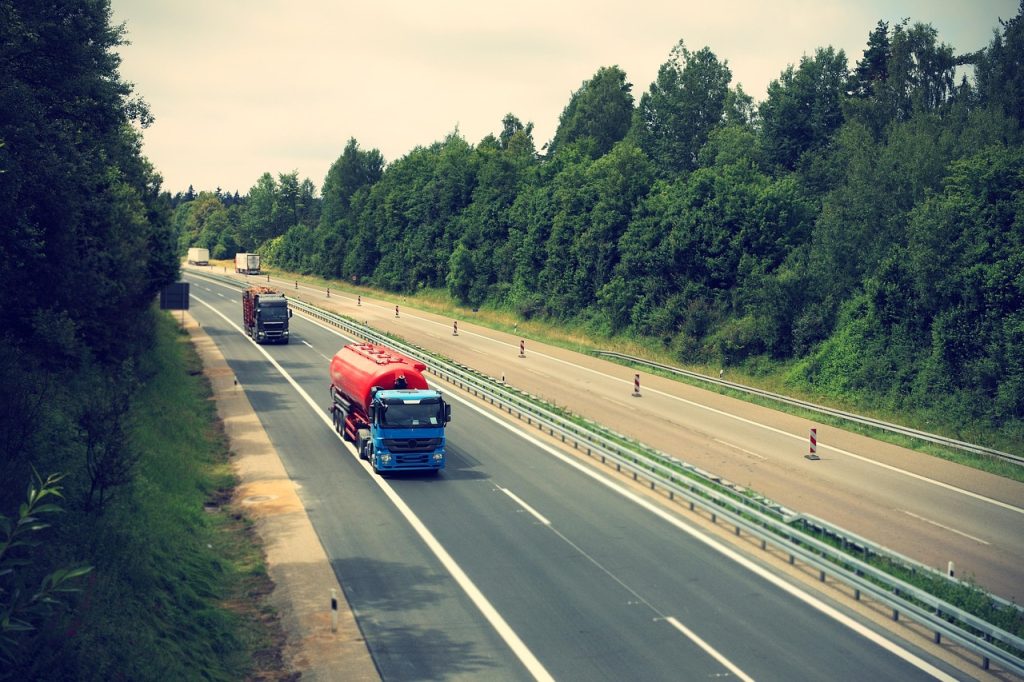
Photo: andreas160578 via Pixabay · Pixabay License
A new Accenture analysis puts a hard number on a gap many fleet managers have long suspected: only 10% of companies currently apply the most advanced technology-driven capabilities needed for a truly autonomous supply chain. Most organizations still run on traditional automation, a level that handles repetitive tasks well but still relies on human oversight to make the actual decisions.
Automation and autonomy are not the same thing
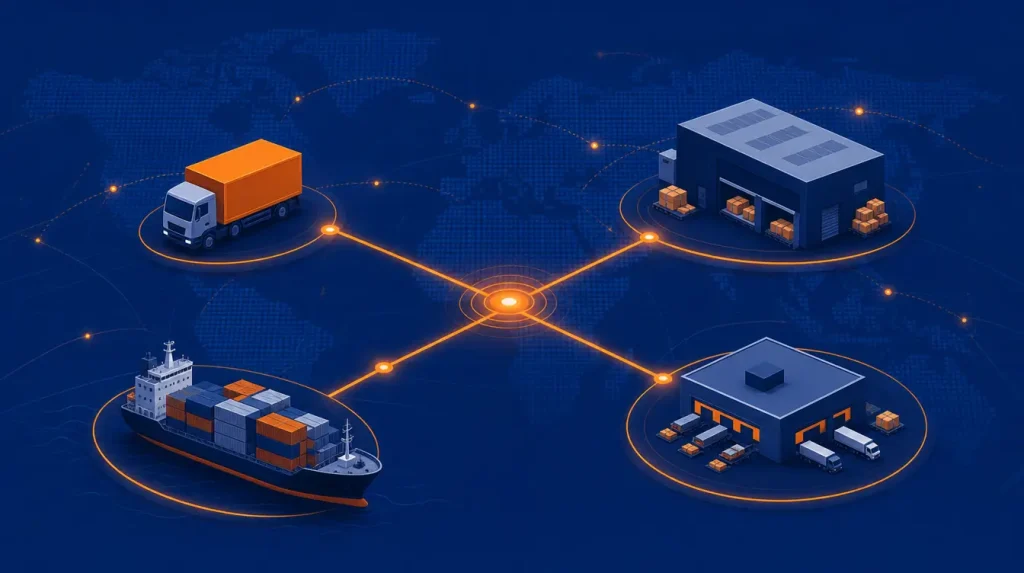
The distinction matters more than it sounds. Automation follows preset instructions: it executes known tasks with predefined responses, like flagging an alert when a vehicle drifts off its assigned route. Autonomy, by contrast, means systems that make real-time decisions from constantly changing data, anticipating conditions and adjusting operations without anyone stepping in manually. For a fleet, that difference is the gap between receiving an alert and receiving a decision that has already been made: a route recalculated before a delay happens, maintenance scheduled before a failure occurs.
The numbers behind the shift
The study found that 48% of organizations plan to integrate AI agents into their digital systems within the next three years, and 66% intend to advance their supply chain autonomy by 2035. According to Max Blanchet, Accenture’s global supply chain and operations strategy lead, building that autonomy rests on five building blocks: a strong digital core, agentic architecture, process reinvention, unified data, and modern workforce operating models.
What this means for fleet management in Latin America
For a fleet manager, this roadmap isn’t an abstract corporate IT exercise — it’s the direction the industry is already heading. A monitoring platform that only displays data on a dashboard sits at the basic automation level; one that cross-references location, fuel consumption, driving behavior, and maintenance to suggest or execute concrete actions starts moving toward real autonomy. The foundation to get there stays the same: reliable data, continuous connectivity, and unified visibility of every vehicle, regardless of fleet size.
If you want to take the first step toward more autonomous fleet management, with unified data and real-time visibility, learn more at www.esencialgps.cl.
Based on data from Accenture.