Photo: Igor Passchier via Pexels · Pexels License
Electrifying heavy transport is no longer a distant promise. In China, roughly one in three heavy trucks sold in 2025 was already electric, compared with just 4% in Europe. For anyone running a fleet in Latin America, that gap signals decisions that will arrive sooner than expected: which vehicles to buy, how to charge them, and how to measure their real performance.
China’s curve: from 0.7% to 30% in four years
The pace is unusual. In 2021, electric heavy vehicles made up 0.7% of sales in China; by 2024 they reached 12.9%, and in 2025 they hovered around 30%. Behind this sit mandatory electrification quotas for sectors such as steel, cement and energy, plus subsidies that expanded the domestic market. Europe, by contrast, remains near 4% to 5%, and in markets like California sales are still counted in the hundreds of units per year.
The economics that change the equation
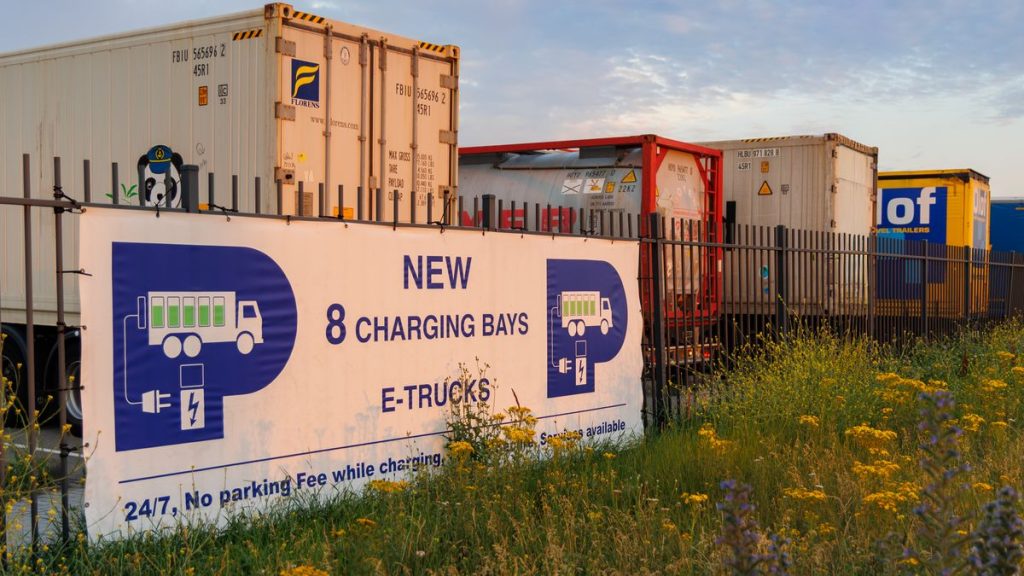
For a fleet manager, the decisive figure is cost per kilometer. In China, running an electric truck costs about a third of its diesel equivalent. The purchase price is still roughly double, but the investment pays back in about two years of intensive use. Infrastructure helps: CATL operates more than 300 battery-swap stations that replace a depleted battery with a charged one in around five minutes, and corridors such as Qiyuan’s span 2,200 kilometers with dedicated charging stations.
What to watch if you manage a fleet in the region
Three points deserve attention. First, range: current models perform well on short runs —urban delivery, ports, last mile— but long-haul is still a challenge. Second, price: Chinese makers such as BYD, Farizon and Windrose plan to enter new markets at up to 30% below the average, pressuring traditional brands. Third, data: electrifying without measuring consumption, state of charge and actual routes leaves much of the savings on the table. Telematics stops being an accessory and becomes the tool that justifies the investment.
The shift to electric does not remove the need to know where each vehicle is, how it is driven and how efficiently it runs; it makes that need greater. If you are weighing how to monitor your fleet —electric, diesel or mixed— with real-time data, learn more at www.esencialgps.cl.
Based on data from Xataka.