Photo: NASA via Unsplash · Unsplash License
For years, the promise of real-time monitoring stopped at the same place: where the cellular signal ended. On mining routes, border crossings, or rural stretches, assets simply vanished from the map. That is changing. A new generation of low-cost satellite IoT promises continuous coverage, even in the most isolated areas.
A race accelerating before 2030
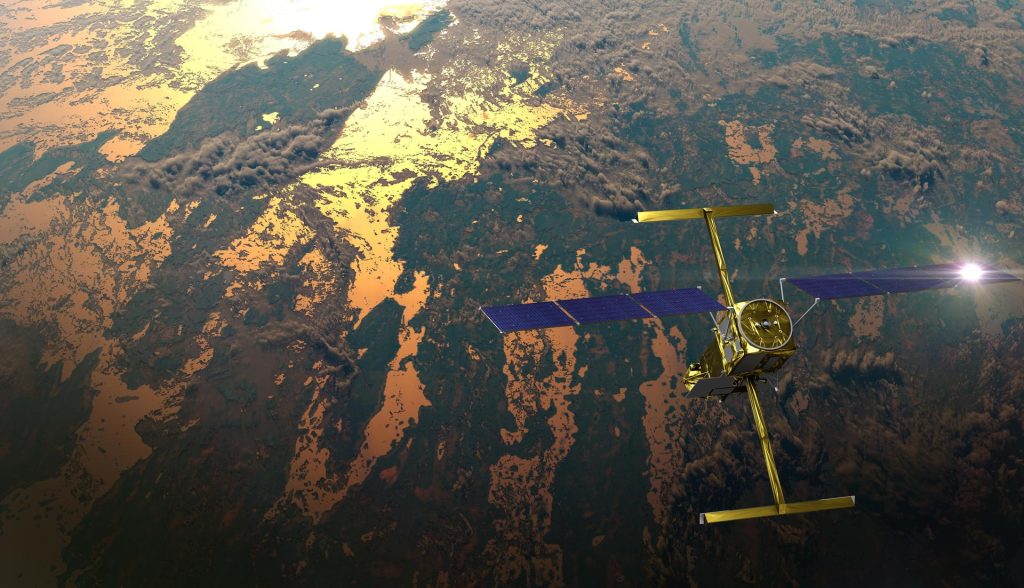
According to IEEE Spectrum, the satellite IoT race has reached an inflection point. Kinéis, based in Toulouse, has operated a constellation of 25 microsatellites in low Earth orbit since June 2025. Seattle’s Hubble Network adds 7 satellites of its own, while players such as Iridium, Globalstar, Myriota, and Skylo push their own solutions. The underlying goal: reaching common satellite-IoT standards within 6G by 2030.
Low power, long reach
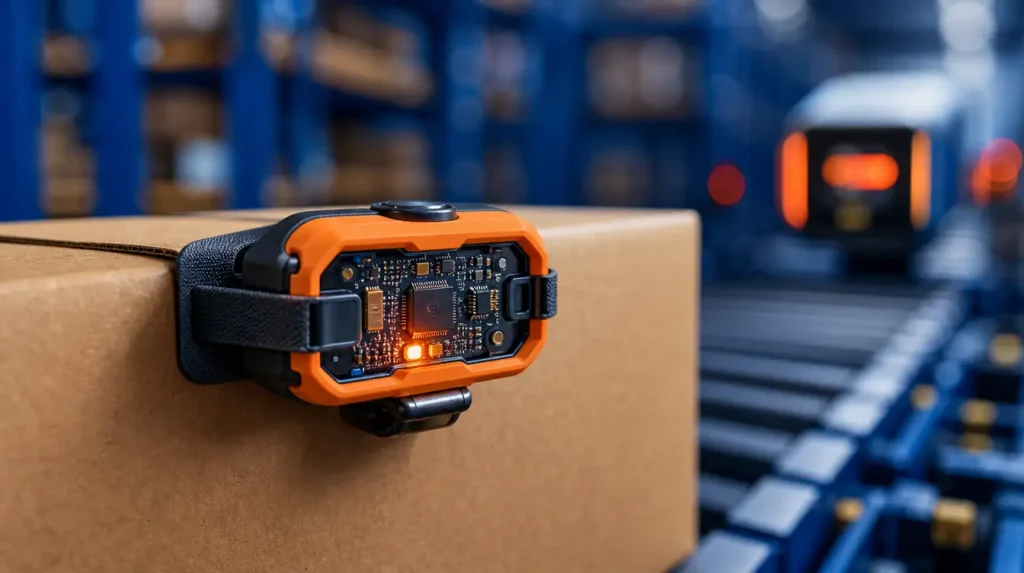
The most striking technical detail is efficiency. Low Earth orbit satellites now receive «pings» of just 100 milliwatts, a minimal draw that lets a sensor run for years on a small battery. That opens the door to tracking pallets, containers, trailers, or machinery in places where deploying cellular coverage would be costly or impossible. «The use cases that we’re focused on are what IoT was meant to be,» says Alex Haro, CEO of Hubble Network.
What it means for your fleet
For a fleet manager in Latin America, low-cost satellite connectivity solves a concrete problem: the blind spot. A truck crossing a dead zone stops reporting its position, cargo temperature, or engine status exactly when that information matters most. With satellite IoT, that vehicle keeps transmitting essential data —location, alerts, core telemetry— without depending on a single terrestrial network. It does not replace cellular tracking; it complements it, closing the coverage gaps that today cause losses and uncertainty.
The lesson for 2026 is clear: connectivity will stop being a geographic privilege. Getting ahead of this shift means choosing platforms ready to integrate multiple data sources. At EsencialGPS, we work to give your operation complete visibility, no matter where your vehicles travel. Learn more at www.esencialgps.cl.
Based on data from IEEE Spectrum.