Most companies do not have an access problem with artificial intelligence. They have a usage problem. According to Forrester’s 2026 predictions, authored by analyst Leslie Joseph, fewer than 15% of firms will switch on the agentic features that their own intelligent automation suites already include. The capability is paid for, installed and available, yet it stays switched off. For anyone running a fleet, the picture is familiar: systems that record every kilometre, every harsh braking event and every stop, while decisions are still made on instinct and spreadsheets.
The gap is process, not technology
The most revealing figure in the report is a different one. Forrester estimates that process intelligence — the discipline of understanding how a process actually runs before automating it — will rescue 30% of failed AI projects. The implication is uncomfortable but useful: many initiatives fail not because the algorithm was poor, but because a process nobody had measured or cleaned up was automated as it stood. Automating chaos simply produces faster chaos.
Robots widen the field rather than replace it
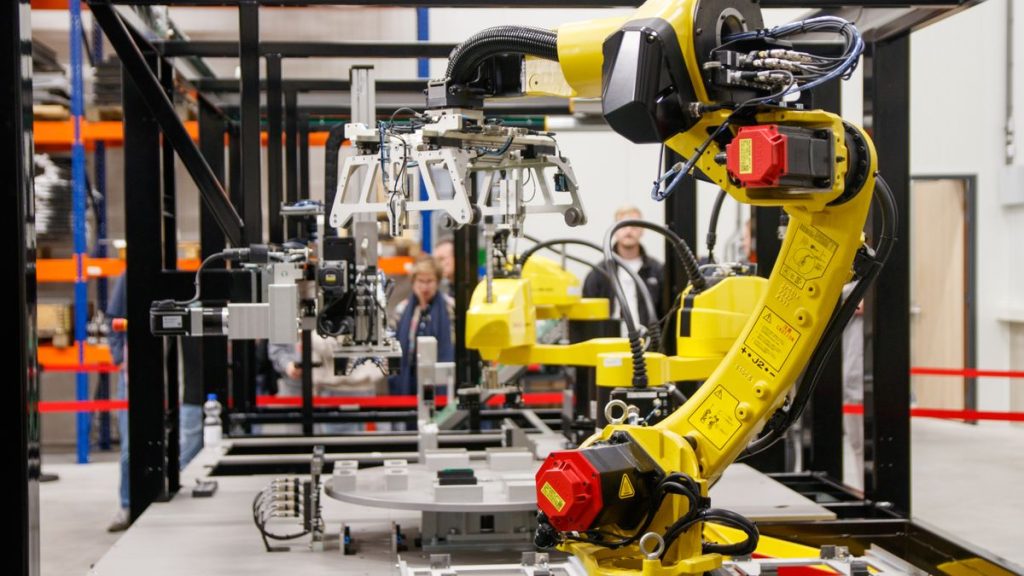
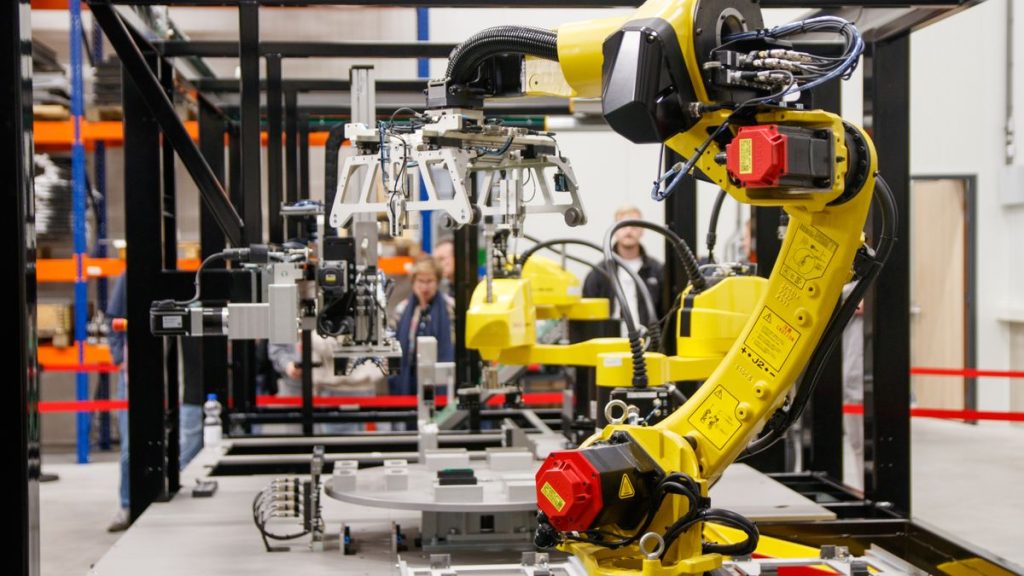
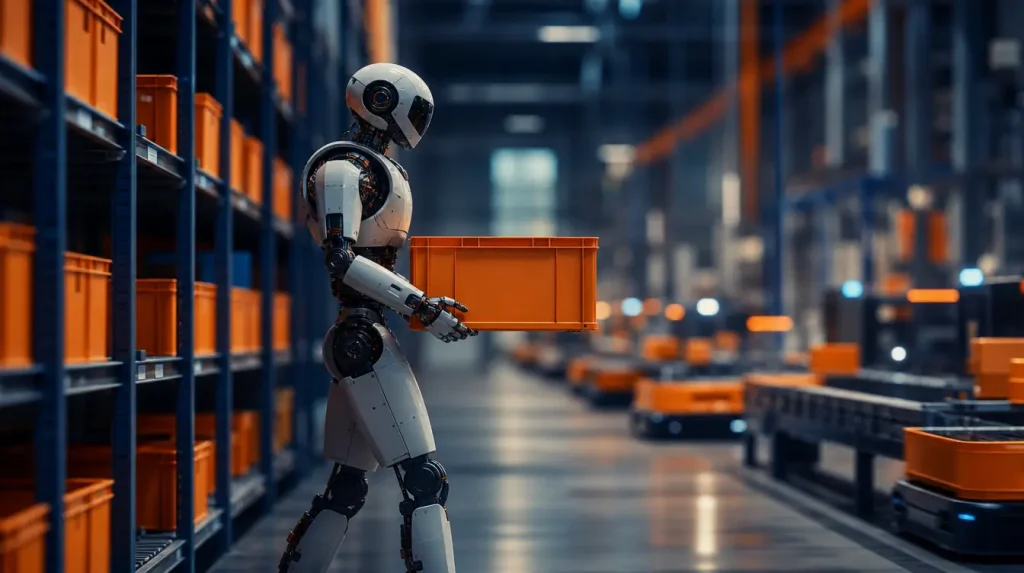
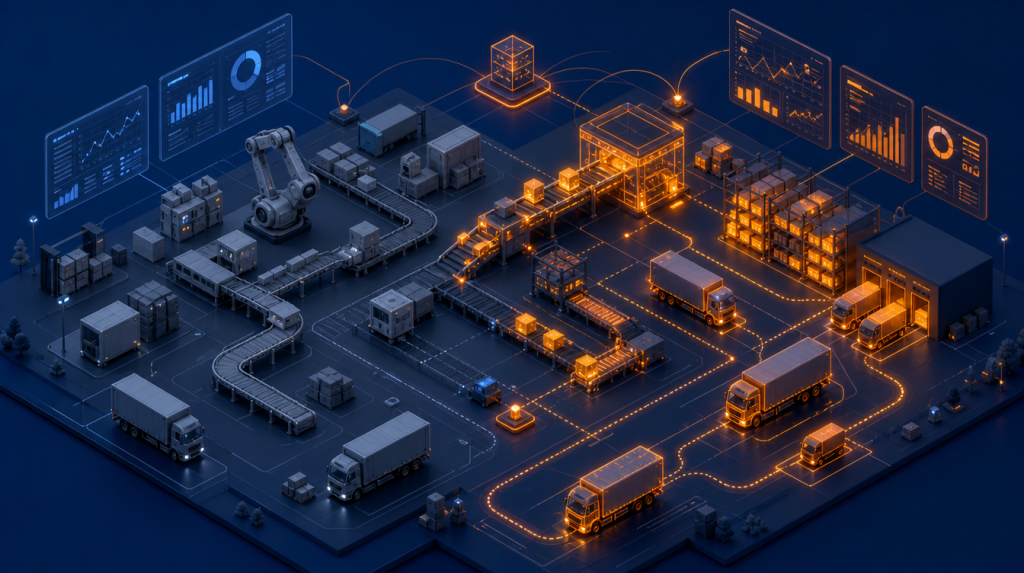
Forrester also projects that strategic robot innovation will unlock 20% of entirely new enterprise use cases. The point is not to substitute people, but to open up tasks that were previously not viable. The firm describes a convergence between physical robots and software agents inside what it calls an automation fabric: the physical and digital worlds stop being two separate projects and start sharing the same data and the same rules.
What this means for your fleet
The practical takeaway is straightforward. Before buying another layer of artificial intelligence, it is worth asking what information you are already capturing and failing to use. Location data, route times, fuel consumption, idle periods and driving behaviour have usually been there for years. Starting by measuring one concrete process — real delivery times, the route that consistently underperforms, the vehicle that always deviates — delivers returns sooner than any ambitious deployment. Useful automation is built on processes you already understand.
At EsencialGPS we work with exactly that logic: reliable fleet visibility and data first, automated decisions on top of that data second. If you want to review what your operation measures today and what it could be using better, learn more at www.esencialgps.cl.
Based on data from Forrester.