Photo: Ray Strassburger via Pexels · Pexels License
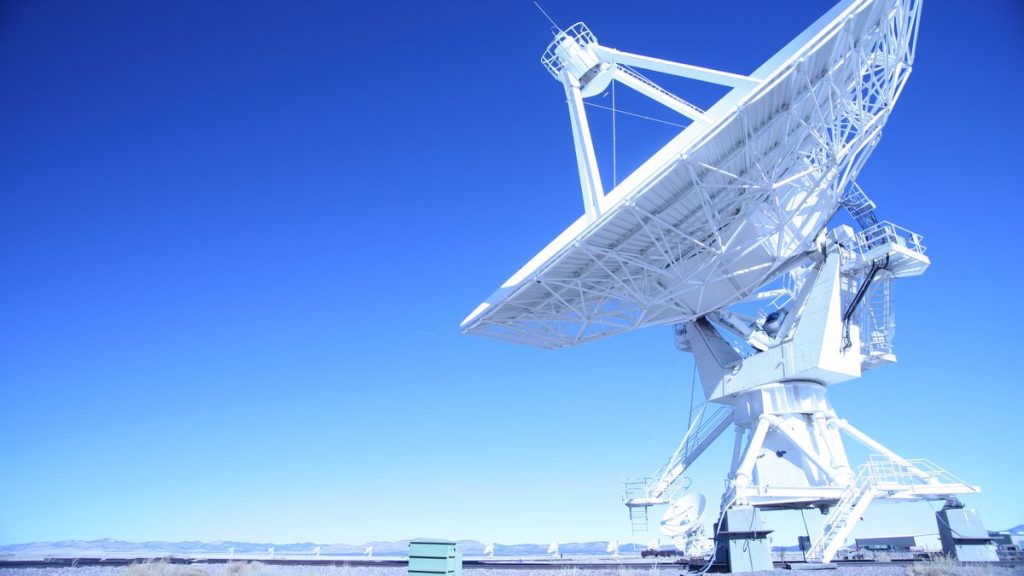
A growing number of industries operating in remote regions are solving a problem fleet managers know well: what happens when cellular coverage disappears. According to recent data cited by Infobae, roughly 30% of the latest generation of satellite connectivity solutions already serve the energy sector, with the installed base projected to grow 40% during 2026. For anyone managing a fleet, the takeaway is straightforward: satellite connectivity is no longer a luxury add-on. It is becoming a standard backup layer.
Why Cellular Signal Alone Is Not Enough to Track a Fleet
4G and 5G networks reliably cover urban corridors and major highways, but they lose strength along rural stretches, mining sites, forestry corridors, and mountainous routes where cargo and service vehicles also travel. That is exactly where satellite connectivity steps in as a backup: it does not replace the mobile network, it complements it, preserving vehicle traceability even when a unit moves beyond terrestrial tower range. For a logistics operation, that means fewer blind spots in the route history and more continuous visibility over each asset.
Predictive Maintenance: The Benefit That Goes Beyond Tracking
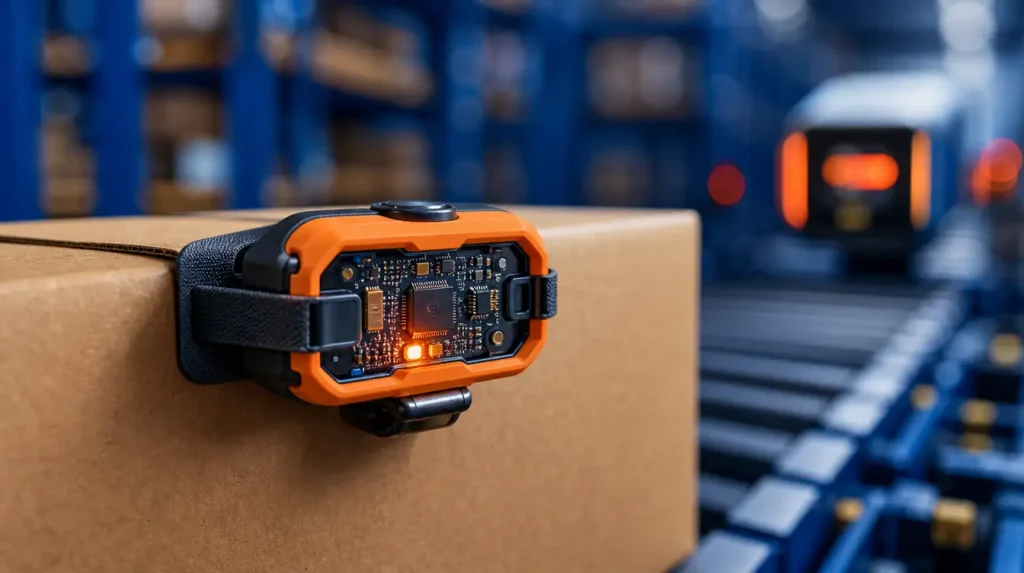
The same analysis highlights how continuously connected IoT sensors make it possible to flag potential failures before they turn into a major breakdown or an incident. Applied to fleets, uninterrupted monitoring — not broken by signal loss — is what allows operations to shift from reactive maintenance («the vehicle stopped») to predictive maintenance («the data pattern flags a problem coming»). Less vehicle downtime and fewer surprises on the road are direct results of that data continuity.
From Energy to Logistics: A Trend Already Crossing Sectors
Florencia Rodríguez, marketing manager at Movistar Argentina, sums up the logic behind this adoption: «connectivity today is the foundation that enables the digitalization of operations. It provides internet access and enables real-time monitoring, remote management, and greater efficiency across the entire production chain.» The oil and gas sector was among the first to adopt this satellite backup layer, but the same underlying need — operating and monitoring mobile assets across areas with uneven coverage — is the daily reality of transport and logistics operators across Latin America.
For transport companies and fleets moving between cities, work sites, and rural routes, the practical conclusion is clear: a solid monitoring platform should treat connectivity as a redundant layer, not a single point of failure. To see how these continuous-monitoring principles apply to your own fleet, visit www.esencialgps.cl.
Based on data from Infobae.