Photo: Shixart1985 via Wikimedia Commons · CC BY 2.0
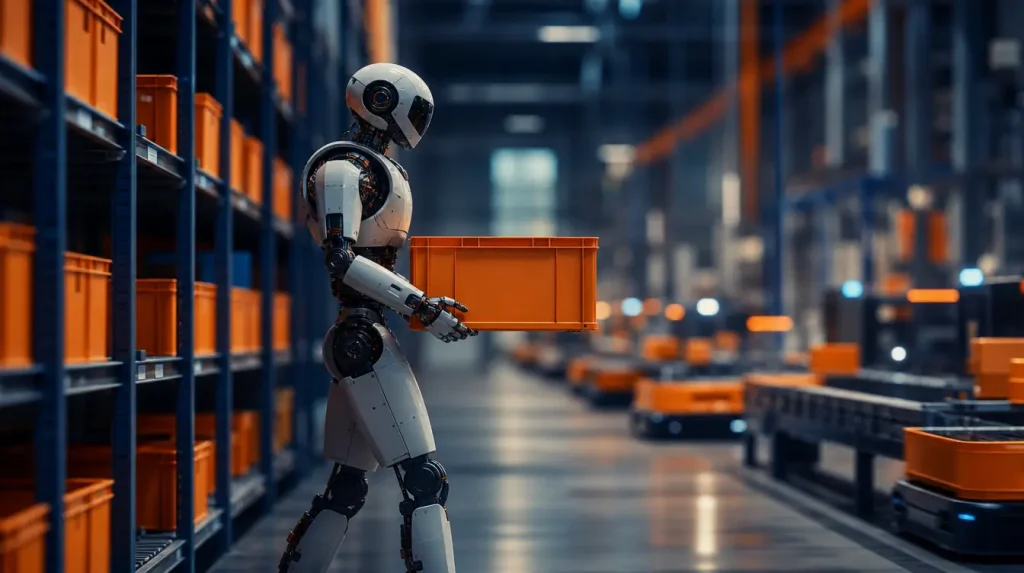
In January 2026, Gartner published a forecast that tempers the enthusiasm around humanoid robots in the supply chain: through 2028, fewer than 100 companies will move their proofs of concept beyond the experimentation stage, and fewer than 20 will reach real production for manufacturing and logistics tasks. The research firm warns that supply chain leaders’ interest in these robots — built to mimic the human body to address labor shortages and rising labor costs — is outpacing the technology’s actual maturity.
The humanoid promise meets operational reality
Humanoid robots combine AI systems, advanced sensors, and machine learning algorithms meant to adapt to multiple tasks without redesigning the production line. According to Gartner, though, they still lack the dexterity needed for complex work such as mixed-SKU picking, trailer unloading, or exception handling in high-throughput warehouses. On top of that come integration complexity with existing systems, upfront costs several times higher than a task-specific robot, and limited battery life that constrains high-mobility operations.
“The promise of humanoid robots is compelling, but the reality is that the technology remains immature and far from meeting expectations for versatility and cost-effectiveness,” said Abdil Tunca, Senior Principal Analyst in Gartner’s Supply Chain practice. “CSCOs must carefully evaluate readiness and avoid overcommitting resources to solutions that cannot yet deliver on their potential.”
Polyfunctional robots are winning the warehouse
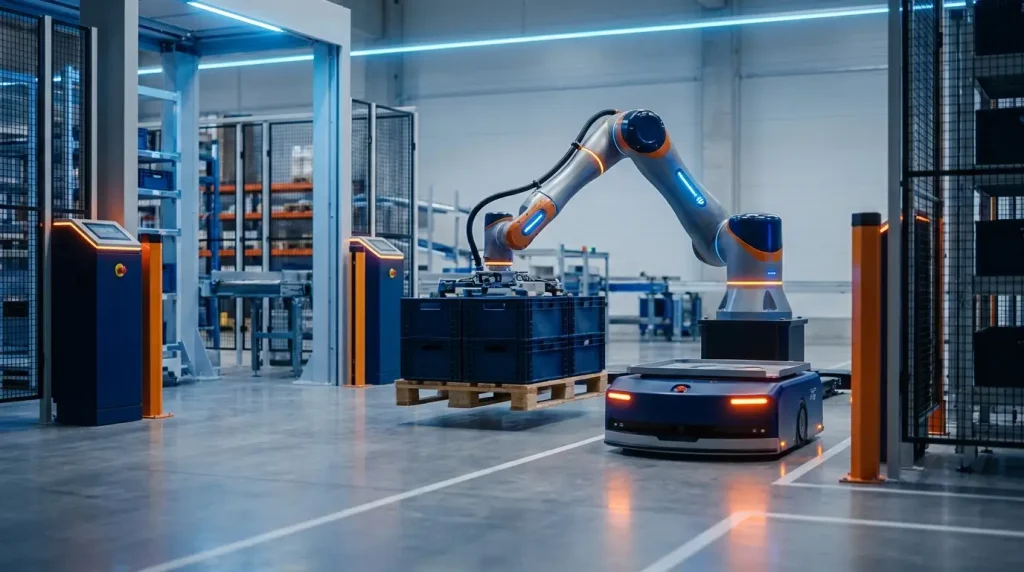
While humanoids advance slowly, Gartner sees a different kind of machine coming out ahead: the polyfunctional robot, which skips the human form factor and optimizes purely for the task at hand. Fitted with wheels and a telescopic arm, a single unit can move boxes, pick cases, scan inventory, and run inspections — typically with higher uptime and lower energy use than a humanoid performing the same functions. “Companies with a high risk appetite and focus on innovation are the best candidates for pursuing humanoid robots at present, given the unproven capabilities of these solutions and related lack of clarity for return on investment,” explained Caleb Thomson, Senior Director Analyst in the same practice. “For the majority of companies that will need to prioritize robots that maximize throughput-per-dollar invested, we expect polyfunctional robots to be the superior solution.”
What Gartner recommends before you invest
The firm advises supply chain leaders to run tightly scoped pilot programs before committing at scale, collaborate with emerging providers to help shape product development, continuously monitor performance to guide iterative improvements, and target automation at specific bottlenecks rather than chasing generic headcount-reduction goals.
Whether tomorrow’s warehouse runs on humanoids or polyfunctional robots, operational visibility will remain the foundation of any automation strategy. Learn more about how a GPS tracking platform helps monitor vehicles, assets, and routes in real time while your operation modernizes at www.esencialgps.cl.
Based on data from Gartner.