Photo: Chingo K via Wikimedia Commons · CC BY 4.0
Electrifying work trucks and freight transport is not only about new models or more chargers: above all, it comes down to battery chemistry. General Motors is betting a significant part of its electric future on a lithium manganese-rich (LMR) cell that promises full-size pickup range at the cost of an entry-level battery.
What LMR chemistry is and why it matters
Today’s market is broadly split between two families. NMC batteries (nickel, manganese and cobalt) deliver high energy density but are expensive. LFP batteries (lithium iron phosphate) are cheaper and durable, yet store less energy per kilogram. According to GM, LMR chemistry achieves density close to NMC at a cost comparable to LFP. In practice, the company estimates it could preserve more than 400 miles (around 640 km) of range in electric pickups such as the Chevrolet Silverado EV, while cutting costs by more than USD 6,000 per vehicle.
A lab built to speed up the road to production
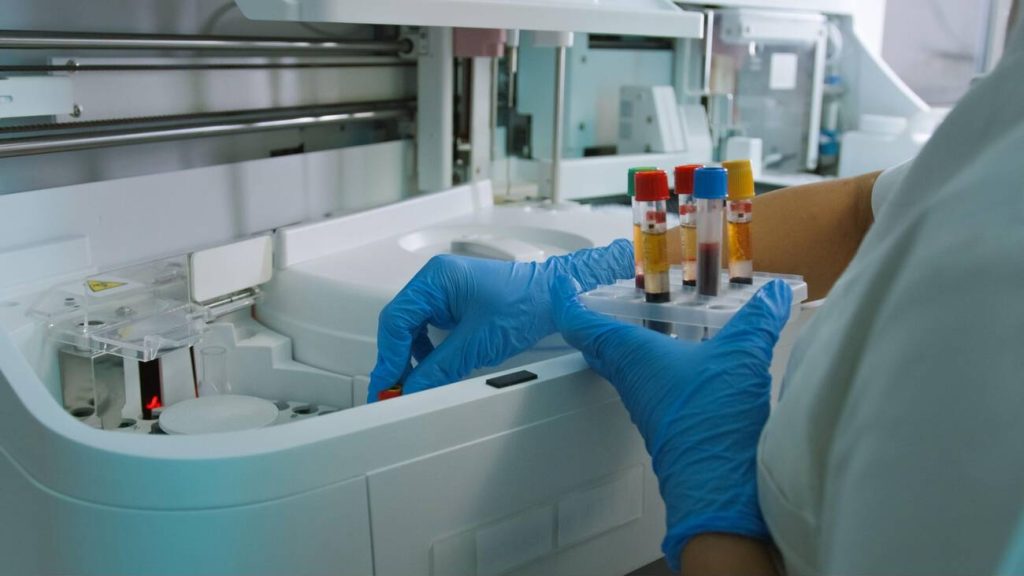
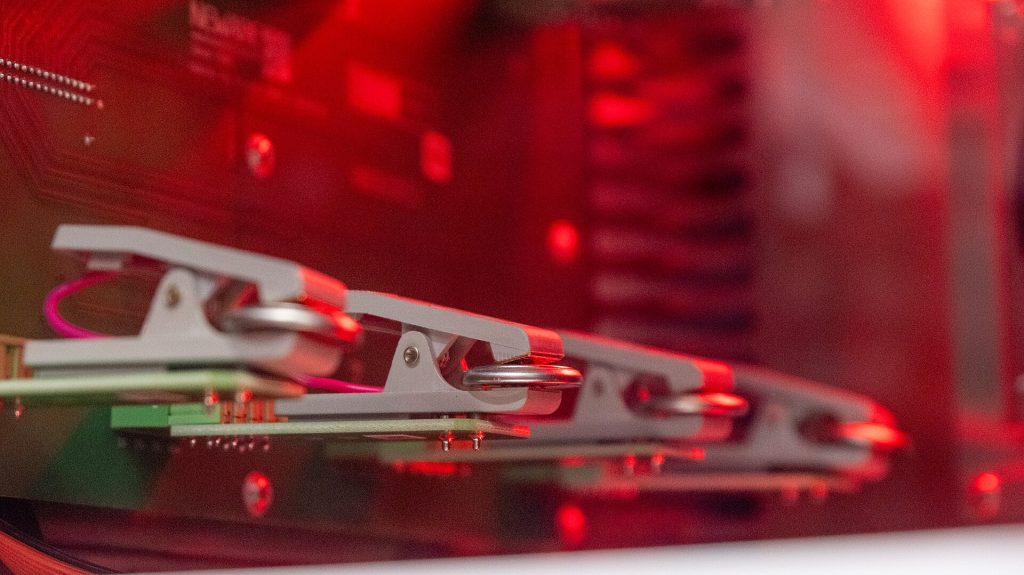
To meet its goal of putting LMR vehicles on the road by 2028, GM is relying on its Battery Cell Development Center at the Warren Tech Center in Michigan. The facility covers roughly 500,000 square feet across two buildings and can produce about 2,500 cells per day, or around 0.5 GWh per year. There, the company tests formats and processes before scaling them to industrial production, using digital twins and physics-based virtual models to reduce the number of physical trials, each of which can cost around USD 200,000. The first batches of these cells are expected later in 2026.
What it means for fleet managers
For fleet managers, the EV conversation usually comes down to three questions: how much the vehicle costs, how far it travels on a charge and how long the battery lasts. A chemistry that lowers the price without sacrificing range directly changes the total cost of ownership calculation, especially for pickups and light commercial vehicles. Even so, the transition requires data: knowing the actual distance driven on each route, idle times and the usage patterns of every unit is what makes it possible to decide which vehicles to electrify first and how to plan charging without disrupting operations.
The battery of the future is being designed today in labs like GM’s, but the decision to adopt it is made with data from your own operation. To see how GPS monitoring helps you measure the real-world use of your vehicles, learn more at www.esencialgps.cl.
Based on data from TechCrunch.