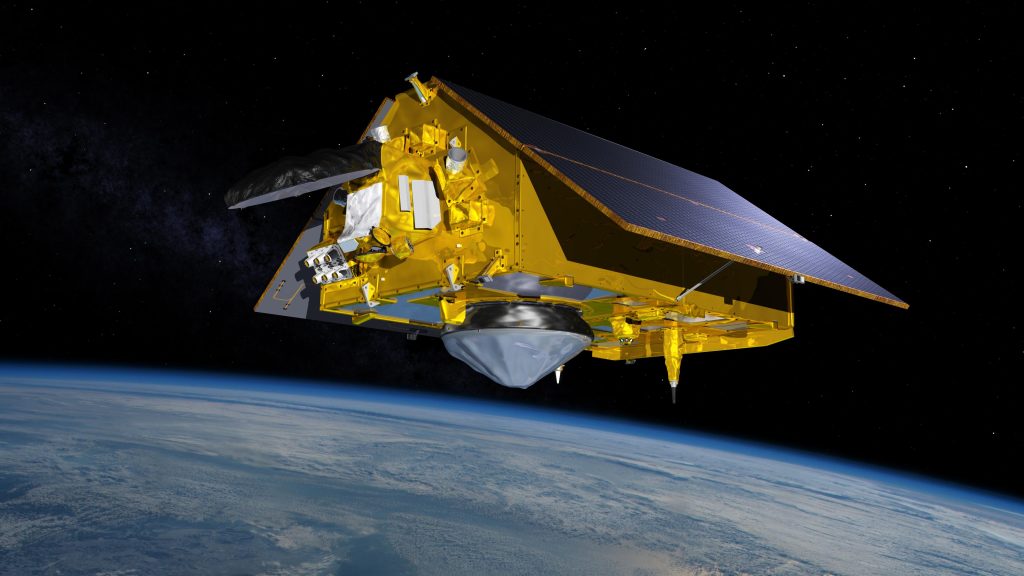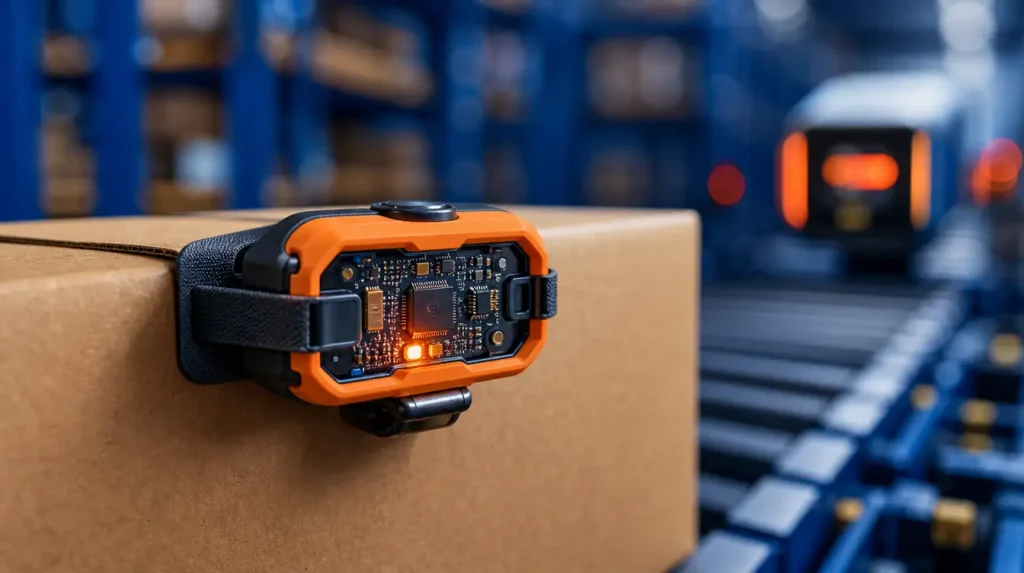
Covering the stretches with no cellular signal is a constant challenge for anyone operating field assets. According to an analysis published by IEEE Spectrum, satellite connectivity for IoT devices is now a technology race: the cellular standard is expected around 2030 with 6G, and in the meantime other approaches are competing for ground.
A standard on the way, and a window of time
The standards body 3GPP has already chosen the protocol that satellite IoT will use in 6G: NB-IoT NTN, whose first version was ratified in 2024. NTN stands for non-terrestrial networks, meaning satellites integrated into the cellular ecosystem. A Berg Insight analyst quoted in the article expects cellular-based satellite IoT to «probably win the narrative after 2030.» Yet Petar Popovski of Aalborg University cautions that the window for building durable lock-in is real but likely time-limited.
The alternatives already operating
The report describes several distinct routes. A French company runs 25 low-orbit microsatellites using LoRa, a long-range, low-power protocol, open to customers since June 2025. Another, with seven satellites, picks up signals from any Bluetooth Low Energy device, though only in the uplink direction: devices transmit but cannot receive. There is also commercial NB-IoT NTN service through geostationary satellites, plus long-standing operators serving industrial customers with proprietary protocols.
Use cases and limits
Applications mentioned include livestock tracking, wildfire detection, global supply-chain monitoring, and pipeline and grid sensing. The article also notes that 6G will not suit everything: devices without SIM cards, tiny sensors that need years of battery life, and strictly private networks may prefer other options.
What it means for fleet management
For a fleet, the takeaway is practical: satellite technology is an enabler that will extend sensor coverage in remote areas, but it does not replace a well-designed operation. Today, the difference comes from reliable 4G devices, real-time data, timely alerts and a clear platform for making decisions. As non-terrestrial networks mature, those capabilities will be complemented by wider coverage, so it pays to follow the standards and plan ahead.
Learn more at www.esencialgps.cl about how GPS tracking can give you visibility over your vehicles and assets.
Based on data from IEEE Spectrum.